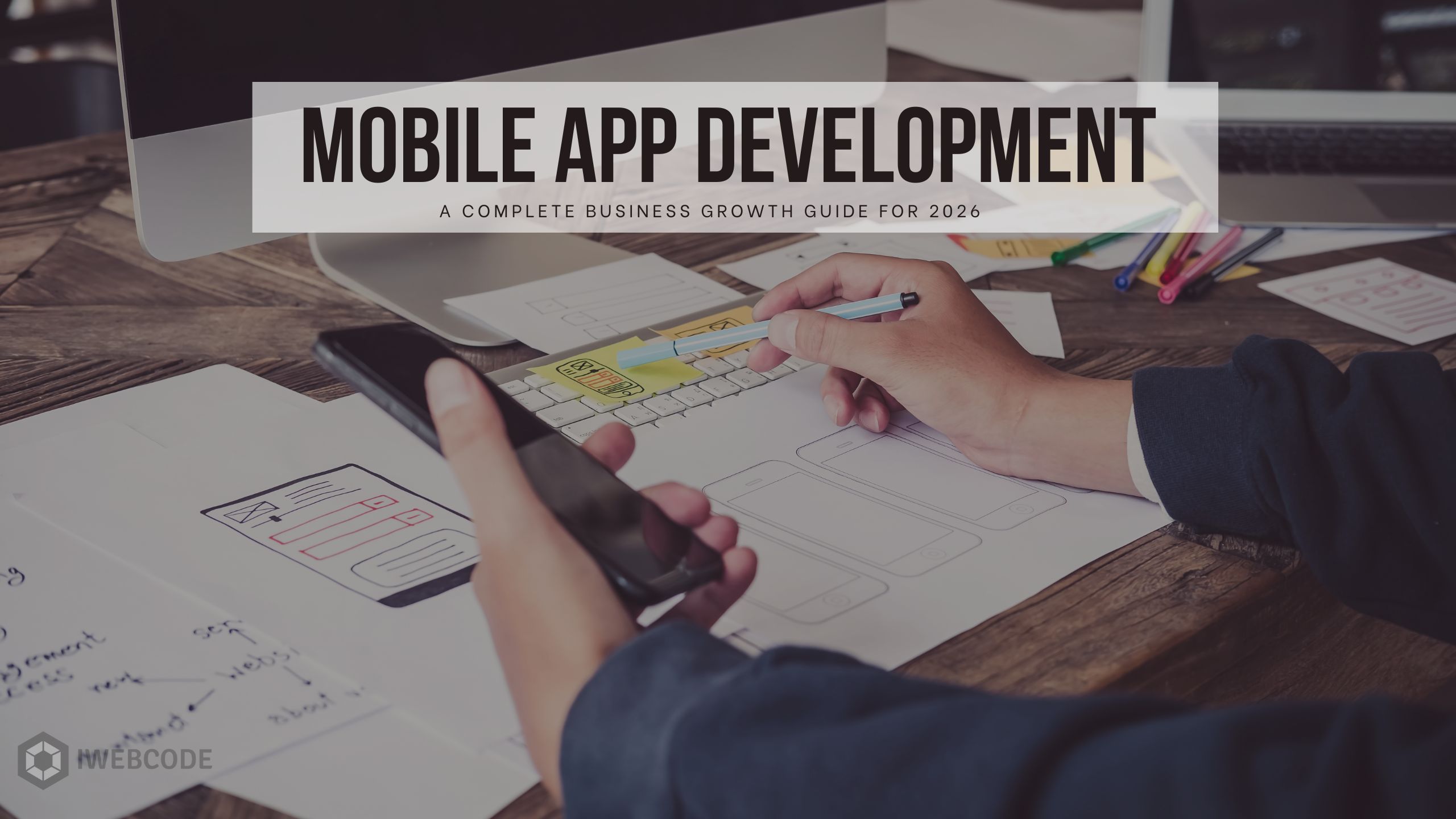
Developing a mobile app is no longer optional, it’s essential. But building a high-quality app doesn’t always have to come with a heavy price tag. With the right strategies, planning, and execution, businesses can create powerful, user-friendly mobile applications without overspending. Let’s explore how to achieve affordable yet impactful mobile app development and ensure your investment delivers real value.
The Journey of Developing a Mobile App
Venturing into mobile app development can sometimes feel overwhelming. Every decision from planning to post-launch support—directly impacts your overall budget. Understanding each stage and the factors influencing development costs is key to creating an economical yet efficient app development roadmap.
Choosing the Right Path: Native, Hybrid, or PWA?
When it comes to custom app development, businesses generally have three core choices:
Native Apps
Built specifically for either iOS or Android, native apps deliver superior performance, smooth user experience, and deep system integration. However, they are often more expensive to build and maintain.
Hybrid Apps
Developed using web technologies like HTML, CSS, and JavaScript, hybrid apps can run across multiple platforms using a single codebase. This makes them a highly cost-effective and flexible choice.
Progressive Web Apps (PWAs)
PWAs bridge the gap between websites and mobile apps. They offer offline functionality, push notifications, and an app-like experience at a fraction of the cost, making them one of the most budget-friendly solutions.
Understanding Mobile App Development Costs
With mobile usage skyrocketing, app development investments globally are projected to reach massive figures. While having a mobile presence is crucial, businesses must remain cost-conscious and strategic.
Key Factors Affecting App Development Costs
Number of features and complexity
App type (native, hybrid, or PWA)
Development platforms (iOS, Android, or cross-platform)
Infrastructure requirements
Third-party integrations
Business model and scalability needs
Typical Development Cost Breakdown
Planning & Requirement Gathering: $1,000 – $10,000
Design Phase: $1,000 – $20,000
Development Phase:
Freelancers: $1,000 – $10,000
Small Teams: $10,000 – $100,000
Medium Companies: $50,000 – $200,000
Large Companies: $100,000 – $500,000
Smart Strategies for Affordable Mobile App Development
To create a powerful yet budget-friendly app, businesses should follow these strategies:
1. Prioritize Features & Build an MVP
Focus on essential features first and release a Minimum Viable Product. Launch, gather user feedback, and iterate—saving unnecessary upfront costs.
2. Use Cross-Platform Development Tools
Frameworks like Flutter and React Native enable a single codebase for multiple platforms, significantly reducing cost and development time.
3. Adopt an Agile Approach
Working in sprints allows flexibility, adaptability, and faster decision-making while ensuring efficient resource allocation.
5. Consider Outsourcing
Outsourcing to skilled professionals can reduce operational overhead while maintaining top-quality development.
6. Leverage Open-Source Technologies
Open-source tools reduce licensing costs and allow businesses to invest more in user experience and marketing.
Common Mistakes to Avoid
Building a budget-friendly app isn’t just about saving money—it’s about investing wisely.
❌ Ignoring Ongoing Costs
Maintenance, updates, hosting, and support are continuous expenses that must be included in planning.
❌ Overlooking User Feedback
User feedback is invaluable. Ignoring it can lead to costly revisions and poor user retention.
❌ Compromising Quality
Cutting too many costs can harm performance, security, and user experience—ultimately damaging your brand.
Lessons from Success Stories
Many companies have successfully built powerful apps while maintaining budget efficiency. For instance, Tryko Technologies significantly reduced development costs by outsourcing, saving nearly $300,000—proving that affordability doesn’t have to mean compromise.
On the other hand, numerous startups failed because they prioritized savings over quality, leading to poor performance, user dissatisfaction, and project collapse. The lesson? Balance matters.
Finding the Perfect Balance
Successful budget-friendly mobile app development requires thoughtful planning, prioritization, and strategic execution. Focus on core features, user satisfaction, and sustainable growth instead of only cutting expenses.
Entrepreneurs should:
Prioritize essential features
Consider outsourcing strategically
Use open-source and cost-effective tools
Keep user experience at the forefront
Final Thoughts
Creating a high-quality mobile app on a budget is absolutely possible with the right mindset and strategies. By embracing cross-platform tools, agile methodologies, smart outsourcing, and user-focused development, businesses can build impactful apps without financial strain.
iwebcode, with its expertise in providing cost-effective full-cycle software development services, is a great example of how businesses can successfully balance affordability and quality to build powerful, user-centric mobile applications.
With smart planning, strategic execution, and a commitment to quality, your mobile app can stand out, perform exceptionally, and deliver real value without breaking the bank.